Why Commercial Biohazard Waste Transportation Is Essential For Public Safety
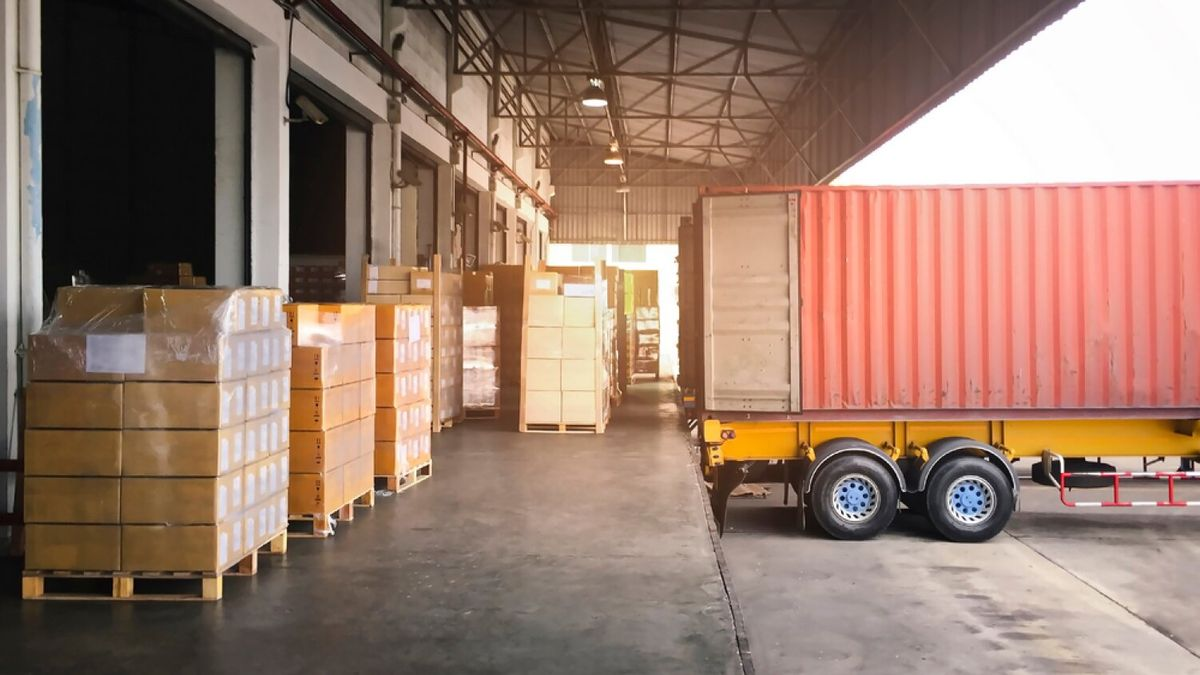
Public safety depends on more than just law enforcement or emergency services. It also relies on how we manage hazardous materials. Among these, biohazardous waste poses a unique threat. Improper handling can spread diseases, contaminate environments, and endanger countless lives. This makes commercial biohazard waste transportation a critical service. Trained professionals ensure that medical, laboratory, and industrial waste moves safely from its source to approved disposal sites. Understanding its importance highlights why communities must prioritize proper waste management systems.
Safe Handling Standards Protect Communities
Commercial biohazard waste transportation follows strict safety standards. These standards include secure containment, specialized vehicles, and trained personnel. Handling infectious or toxic waste without such measures can result in accidental exposure. Regulations ensure that drivers and handlers wear protective gear and follow precise protocols. By adhering to these rules, transportation companies prevent contamination. Communities benefit because the risk of accidental disease transmission or chemical exposure drops significantly. Safe handling is the backbone of public health protection, making commercial biohazard waste transportation indispensable.
Regulated Transport Reduces Environmental Risks
Transporting biohazard waste commercially ensures that environmental hazards are minimized. Improper disposal can lead to soil contamination, polluted water sources, and toxic air emissions. Licensed transportation companies follow guidelines that prevent spills and leaks. They use sealed containers and route planning to avoid accidents. This careful approach safeguards local ecosystems. It also ensures that the waste reaches certified treatment or disposal facilities. By controlling environmental impact, commercial biohazard waste transportation protects both nature and human communities.
Specialized Vehicles Improve Waste Safety
Vehicles used in commercial biohazard waste transportation are designed for containment and control. They have reinforced containers, temperature regulation, and secure locking mechanisms. These modifications reduce the likelihood of accidental exposure or contamination during transit. Drivers are trained in emergency response, ensuring swift action if something goes wrong. By using specialized vehicles, companies guarantee that hazardous materials move safely, reinforcing the crucial role of commercial biohazard waste transportation in public safety.
Professional Biohazard Waste Training Prevents Accidents
Personnel involved in commercial biohazard waste transportation receive extensive training. They learn proper packaging, labeling, and emergency procedures. Knowledge of biohazard risks allows them to handle dangerous substances without endangering themselves or the public. Mistakes in this field can have serious consequences, including infections and environmental contamination. Professional training ensures every step—from collection to disposal—is executed with precision. This expertise is essential for safe, reliable commercial biohazard waste transportation.
See also: The Future of Digital Marketing Technology
Community Awareness Supports Safe Practices
Awareness of biohazard risks complements the work of transportation services. Communities and businesses that understand proper disposal methods reduce the chance of accidents. Clear labeling, proper storage, and timely pickups all contribute to safety. When people follow guidelines, commercial biohazard waste transportation becomes more efficient and effective. Public education enhances the overall safety network, ensuring that hazardous materials never endanger others.
Conclusion
Commercial biohazard waste transportation is more than a logistical service. It is a critical public safety measure. From strict handling standards to specialized vehicles and professional training, every step is designed to minimize risk. Proper transport protects communities, preserves the environment, and prevents disease spread.