The Future of Flying Cars
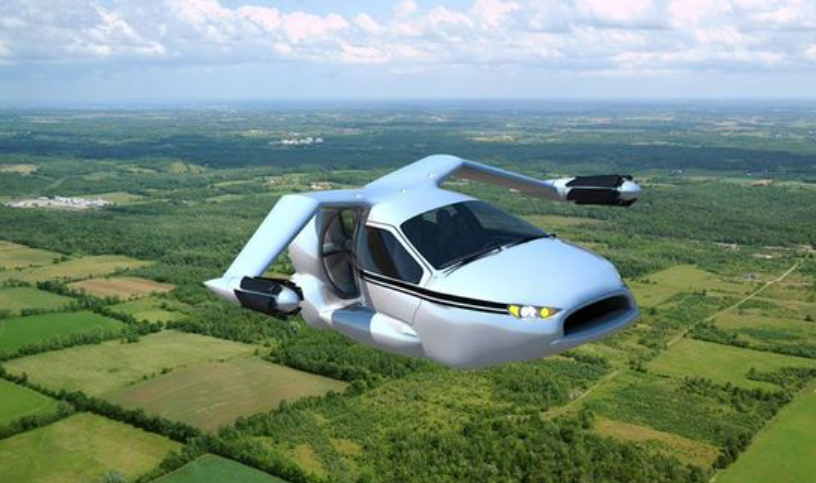
The emergence of flying cars represents a significant advancement in urban mobility. Current innovations focus on electric propulsion and vertical takeoff, promising efficiency and sustainability. However, widespread adoption faces hurdles related to regulatory frameworks and safety standards. Additionally, the integration of flying vehicles into existing urban infrastructure poses complex challenges. Understanding these factors is essential for assessing the future landscape of personal transportation and its implications for society.
Current Innovations in Flying Car Technology
Recent advancements in flying car technology reveal a significant shift towards practical aeromobility solutions.
Innovations in electric propulsion systems enhance efficiency while reducing environmental impact. Additionally, vehicles designed for vertical takeoff capabilities streamline urban transportation, enabling seamless transitions between ground and aerial travel.
These developments cater to a growing demand for freedom of movement, positioning flying cars as viable alternatives to traditional commuting methods.
See also: The Future of Electric Vehicles
Regulatory and Safety Challenges Ahead
The rapid advancements in flying car technology necessitate a comprehensive examination of regulatory and safety challenges that accompany their integration into airspace and urban environments.
Establishing robust regulatory frameworks is essential to address air traffic management and operational protocols.
Moreover, adherence to stringent safety standards is imperative to ensure public confidence and mitigate risks, ultimately enabling a transformative shift towards personal aerial mobility.
Potential Impact on Urban Infrastructure
As flying cars begin to emerge as viable modes of transportation, they are poised to significantly alter urban infrastructure.
This shift necessitates a reevaluation of urban design, with a focus on vertical takeoff and landing zones integrated into existing structures.
Furthermore, innovative traffic management systems will be required to coordinate airspace usage efficiently, ultimately enhancing mobility and reducing ground congestion in densely populated areas.
The Vision for Everyday Use and Accessibility
While envisioning a future where flying cars are commonplace, it is essential to consider their integration into daily life and the implications for accessibility.
Affordability concerns will significantly influence consumer acceptance, determining whether flying cars can become a viable transportation option for the masses.
Ensuring equitable access will require innovative solutions that address economic barriers, ultimately redefining urban mobility and personal freedom.
Conclusion
As the dawn of flying cars approaches, society stands at a crossroads, much like Icarus poised between ambition and caution. Innovations in aerial mobility promise liberation from terrestrial constraints, yet the path is fraught with regulatory and safety challenges akin to navigating a stormy sky. Just as a ship requires a sturdy harbor, urban infrastructure must evolve to support this new mode of transport. Ultimately, the journey toward accessibility and widespread adoption will define the true flight of humanity’s aspirations.