Choosing the Right Structural Engineer in London: What Homeowners Should Know
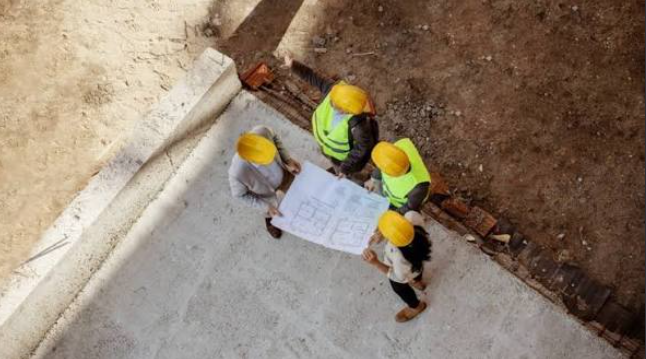
You’ve hit that stage of the renovation where someone — probably your builder, maybe your architect — has said “yeah, you’ll want an engineer to sign off on that.” And you nod along like you knew that already. But then you actually go looking, and suddenly there are dozens of names, all claiming to be qualified, all sounding roughly the same on their websites. So how do you actually tell the difference?
I’ll be honest, most people don’t figure this out until they’ve already hired the wrong one once. So let’s skip that bit.
Why It’s Not Just “Any Engineer Will Do”
Here’s the thing nobody really explains upfront — not every structural engineer works the same, and not every one of them actually knows London well.
Think about it. A Victorian terrace in Clapham has completely different quirks than a 1960s semi out in Croydon, which is nothing like a converted warehouse flat over in Hackney. The soil shifts depending on where you are. Older houses were built differently depending on the decade. Even how quickly a council processes your building control paperwork can vary from one borough to the next, weirdly enough.
So when you’re looking to hire a structural engineer in London, you’re not just hiring a qualification on a piece of paper. You want someone who’s actually dealt with London’s mess of a housing stock before — because trust me, it is a mess, in the best and worst ways.
Get this right, and honestly, the whole renovation feels calmer. Get it wrong, and you’re looking at delays, unexpected costs, or — worst case — structural work that just doesn’t hold up properly down the line.
See also: Mutf_In: Tata_Aia_Life_Gwn15f
What Actually Matters When You’re Comparing People
Okay, practical stuff now.
First, check they’re chartered. Through IStructE or ICE, ideally. It’s not a fancy detail — it means they’ve actually gone through real assessment, not just slapped “structural engineer” on their website because they fancied it.
Second, ask about their experience with your kind of project specifically. Someone who’s spent their career on office blocks isn’t necessarily the right person for your loft conversion. Ask directly — have you done extensions before, wall removals, basements, whatever your project actually is.
Then there’s local knowledge, and this bit genuinely matters more than people expect. An engineer who works across London regularly already knows which postcodes have subsidence problems, how party wall agreements tend to play out with terraced houses, which councils are quick and which ones seem to take forever for no reason. It’s exactly why so many homeowners end up typing “structural engineer near me” into their phone rather than hiring someone from three counties over — proximity just makes everything easier. Faster site visits, quicker replies, less waiting around.
Pricing should be upfront too, not something that creeps up on you halfway through. And insurance — professional indemnity insurance specifically — should just be a given, not something you have to awkwardly ask about twice.
And honestly? Communication matters more than people think. You want someone who can explain things without drowning you in technical terms, someone who actually answers your questions instead of talking around them.
A Few Questions Worth Asking First
Before committing to anyone, it’s worth just asking a handful of straightforward things. Have they worked on similar properties nearby before? How long will the assessment realistically take? Will they talk directly to your builder or architect, or will you be stuck relaying messages back and forth? What exactly is included in the quoted fee, and what might end up costing extra later?
If the answers feel vague or rushed, that usually tells you something. Trust that instinct.
Don’t Just Go With Whoever’s Cheapest
Look, budgets are tight, especially with renovation costs the way they are right now. It’s tempting to just pick whoever quoted the lowest number and move on. But structural work really isn’t the place to cut corners. A rushed report, or calculations that end up needing to be redone because they weren’t done properly the first time — that costs way more in the end. Not just money either. Time, stress, delays with building control, all of it.
Comparing a few quotes is fine, sensible even. Just weigh it against experience and how confident you actually feel after talking to them, not purely the number at the bottom of the email.
Local Really Does Make a Difference
Coming back to it — hiring a structural engineer in London who’s actually familiar with the city isn’t just some nice extra. Between the mix of old and newer buildings, the way soil behaves differently across boroughs, and each council having its own little quirks with planning, local experience genuinely means fewer surprises along the way. It usually means faster visits too, and someone who already gets the kind of property you’re dealing with without you having to explain everything from scratch.
So, Final Thought
Picking the right engineer isn’t really just a box you tick before building control gives the go-ahead. It quietly shapes how the whole renovation goes — whether it’s smooth or a bit of a headache. Ask the questions, check the qualifications, and pay attention to how they talk you through things before you commit to anyone.
If you’re at that comparing-options stage right now, honestly, just start with a search for Structural Engineer Near Me. It’s usually the easiest way to find someone who actually knows London homes and can steer your renovation in the right direction from day one.