When Should My Child First See a Dentist?
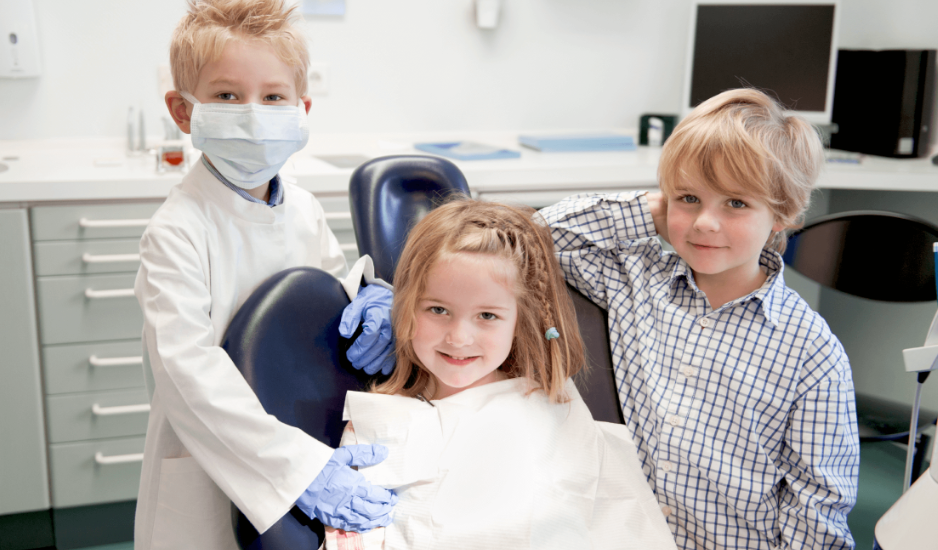
Taking your child to the dentist early sets the foundation for a lifetime of healthy smiles. Many parents are unsure about the right age for a first visit, but early dental care plays a key role in preventing problems, building good habits, and helping children feel comfortable with dental appointments as they grow.
Why Early Dental Visits Matter
Early dental visits help identify potential issues before they become serious. They allow a dentist to monitor how your child’s teeth and jaws are developing and provide guidance on cleaning, feeding, and habits that affect oral health. Starting early also helps children see the dentist as a normal part of life, reducing anxiety and fear later on.
The Recommended Age for a Child’s First Dental Visit
Dental professionals recommend that children see a dentist by their first birthday or within six months of their first tooth coming through. Even though baby teeth are temporary, they play an important role in speech development, chewing, and guiding adult teeth into the correct position. Early visits help protect these teeth from decay and set expectations for ongoing care.
See also: Who Needs to Complete the Traffic Controller Course?
What Happens During the First Dental Appointment
A child’s first dental visit is usually gentle, short, and focused on comfort. The dentist will check your child’s teeth, gums, and jaw development, often using a quick visual examination rather than instruments. Parents are given advice on brushing techniques, fluoride use, and diet choices that support healthy teeth. The goal is to create a positive experience and build familiarity with the dental environment. Visiting a kids dentist Adelaide helps ensure the appointment is child-focused and supportive for both parents and children.
What Parents Can Expect at a Kids Dental Visit
Parents can expect a calm and welcoming environment designed to make children feel safe. Dentists use simple language and explain each step in a friendly way. Appointments are usually kept brief, especially for younger children, and parents are encouraged to stay with their child throughout the visit to provide reassurance.
Signs Your Child May Need to See a Dentist Sooner
Some children may need to see a dentist earlier than the recommended age. Signs include visible white or brown spots on teeth, tooth pain, delayed tooth eruption, or early loss of baby teeth. Habits such as thumb sucking, mouth breathing, or frequent use of bottles can also affect oral development and should be assessed early.
This dentist who does quality veneers in Ballwin MO adds that addressing these concerns promptly with a pediatric professional ensures that any developmental or hygiene issues are managed before they impact the alignment or health of their permanent teeth.
How to Prepare Your Child for Their First Visit
Preparing your child positively can make a big difference. Talk about the dentist in a relaxed and encouraging way, avoid using scary language, and consider reading children’s books about dental visits. Scheduling the appointment at a time when your child is well-rested and fed can also help them feel more comfortable.
Ongoing Dental Visit Schedule for Children
After the first visit, most children benefit from dental check-ups every six months. This allows the dentist to track development, clean teeth professionally, and address any issues early. Some children may need more frequent visits depending on their risk of tooth decay or other oral health concerns.
CDBS and Health Fund Support for Children
Many Australian children are eligible for the Child Dental Benefits Schedule, which helps cover basic dental services such as check-ups, cleans, fillings, and X-rays. Private health funds may also offer additional cover. Checking eligibility and understanding available benefits can make regular dental care more accessible.
In Summary
Your child’s first dental visit is an important milestone that supports healthy teeth and positive attitudes toward oral care. By starting early and maintaining regular check-ups, you can help prevent dental problems and ensure your child feels confident visiting the dentist. Booking that first appointment is a simple step that delivers long-term benefits for your child’s smile and overall wellbeing.