What’s the Difference Between Back Zip, Chest Zip, and Zip-Free Wetsuits?
Choosing the right wetsuit zip style can make a big difference to comfort, warmth, and ease of use in the water. While all wetsuits aim to keep you insulated and flexible, the zip configuration affects how the suit fits, how much water enters, and how easy it is to put on and take off. Understanding the differences helps you choose the style best suited to your activity and experience level.
Why Zip Style Matters in a Wetsuit
The zip style determines how the wetsuit opens and closes, which directly impacts water sealing, mobility, and durability. A well-chosen zip style can reduce water flushing, improve flexibility through the shoulders and back, and make your wetsuit more comfortable during longer sessions. It also influences how quickly you can get in and out of the suit, which matters in colder conditions.
Back Zip Wetsuits
Back zip wetsuits feature a long zipper running down the spine. This design makes them the easiest wetsuits to put on and remove, which is why they are often recommended for beginners or casual users. The wide opening allows for quick changes and minimal effort.
The trade-off is that back zip wetsuits can allow more water to enter, particularly through the zip area. This can reduce warmth in colder water and slightly limit flexibility through the upper back due to the zipper placement. They are best suited to recreational swimming, general water sports, and warmer conditions where convenience is a priority.
See also: The Future of Digital Marketing Technology
Chest Zip Wetsuits
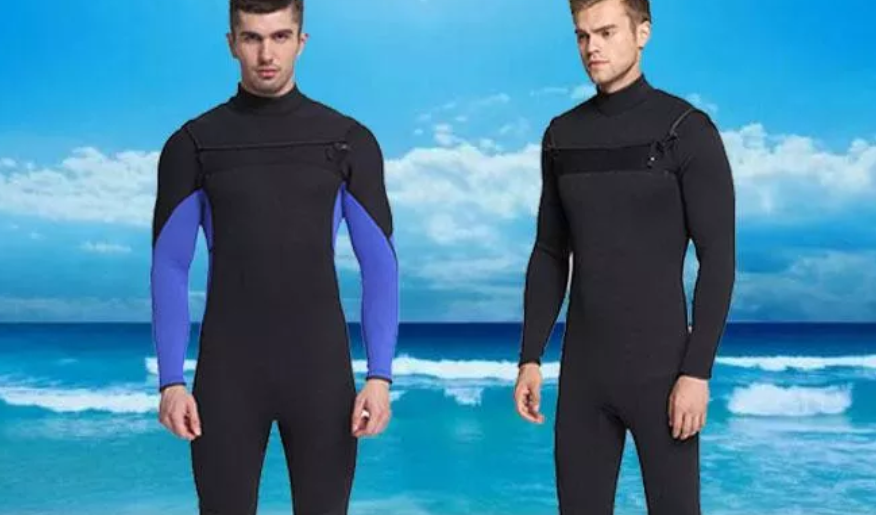
Chest zip wetsuits use a shorter zipper across the upper chest, with entry through the neck opening. This design significantly reduces water entry because there is no long zipper down the back, helping the suit retain warmth more effectively. It also improves flexibility across the spine and shoulders, making it a popular choice for performance-focused users.
Although chest zip wetsuits take a bit more effort to put on, many experienced swimmers and surfers prefer the improved seal and comfort once in the water. If you’re looking for warmth, flexibility, and performance, many mens wetsuits are available in chest zip designs that suit a wide range of conditions.
Zip-Free Wetsuits
Zip-free wetsuits eliminate zippers altogether and rely on highly stretchable materials and specially designed entry panels. With no zip, there is minimal water entry and nothing to restrict movement, offering maximum flexibility and comfort.
The downside is that zip-free wetsuits are the hardest to get on and off, especially when dry. They also require careful handling to avoid overstretching the entry area. These wetsuits are best suited to experienced users who prioritise performance and are comfortable managing a tighter entry system.
Comparing Fit, Warmth, and Performance
Back zip wetsuits score highest for convenience but lowest for warmth retention. Chest zip wetsuits offer a strong balance between warmth, flexibility, and practicality. Zip-free wetsuits deliver the best performance and least water entry but require more effort and experience to use comfortably. Your choice should reflect how often you’re in the water, the conditions you face, and how much flexibility you need.
How to Choose the Right Zip Style for You
If you’re new to wetsuits or value easy changing, a back zip style is a practical starting point. For regular swimmers, surfers, or anyone spending long sessions in cooler water, chest zip wetsuits provide better insulation and mobility. Zip-free wetsuits are ideal for advanced users who want maximum performance and don’t mind the extra effort when getting dressed.
Closing Thoughts
There is no single “best” wetsuit zip style, only the one that suits your needs best. Back zip wetsuits offer simplicity, chest zip wetsuits balance warmth and flexibility, and zip-free wetsuits deliver peak performance. Understanding these differences makes it easier to choose a wetsuit that keeps you comfortable, warm, and moving freely in the water.