Fire Risk Assessment: How to Protect Lives and Assets
Introduction
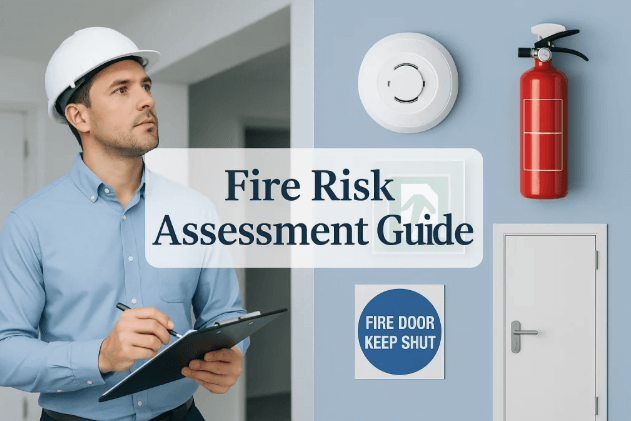
Fires are among the most dangerous hazards that can occur in homes, workplaces, or public buildings. They have the potential to cause severe injuries, loss of life, property damage, and long-term financial disruption. To mitigate these risks, organizations and building owners must conduct a Fire Risk Assessment (FRA). A fire risk assessment is a systematic process designed to identify fire hazards, evaluate risks, and implement measures to protect both people and property. Properly executed fire risk assessments are essential for safeguarding lives and valuable assets.
Understanding Fire Hazards
The first step in any fire risk assessment is identifying potential fire hazards. Hazards generally fall into three main categories: sources of ignition, sources of fuel, and sources of oxygen. Common ignition sources include electrical systems, heating appliances, cooking equipment, and open flames. Fuel sources can be paper, cardboard, textiles, flammable liquids, or even waste materials. Oxygen, which supports combustion, can be present in ventilation systems or compressed gas storage. Recognizing all possible hazards is crucial to prevent fire incidents and limit their potential impact.
Identifying People at Risk
Protecting lives begins with identifying who may be at risk in the event of a fire. Occupants may include employees, customers, residents, visitors, and contractors. Special attention must be given to vulnerable groups such as children, elderly individuals, pregnant women, and persons with disabilities. Understanding who is at risk allows organizations to implement evacuation procedures and safety measures tailored to everyone’s needs, ensuring that no one is left behind during emergencies.
Evaluating the Level of Risk
Evaluating the level of risk is a critical component of fire risk assessment. This involves considering the likelihood of a fire occurring and the potential consequences if it does. Factors such as building layout, occupancy, electrical systems, and the nature of daily activities must be assessed. Risk evaluation allows organizations to prioritize the areas that require immediate attention and allocate resources effectively to mitigate fire hazards.
See also: Top Benefits of Digital Assignments for Online Learning Success
Fire Detection and Alarm Systems
Early detection of fire is key to protecting lives and property. Fire risk assessments should ensure that appropriate fire detection and alarm systems are installed, maintained, and tested regularly. Smoke detectors, heat detectors, manual call points, and alarm systems must be functional and accessible. Audible and visual alarms are essential for alerting all occupants promptly, giving them enough time to evacuate safely.
Means of Escape and Evacuation Planning
Safe escape routes are vital for minimizing injuries during a fire. A fire risk assessment must evaluate whether emergency exits are sufficient, clearly marked, illuminated, and unobstructed. Evacuation plans should be designed for all occupants, including vulnerable individuals. Regular fire drills help staff and residents practice the evacuation process, ensuring orderly and efficient exit during an actual fire. Coordination of evacuation procedures is essential to prevent confusion or overcrowding.
Firefighting Equipment and Fire Protection Measures
Protecting property requires appropriate fire protection measures. Fire extinguishers, sprinkler systems, fire hose reels, fire blankets, and fire-resistant materials should be installed according to the building type and risk level. Staff must be trained in the correct use of firefighting equipment. Fire compartmentation, such as fire doors and walls, helps prevent fire from spreading and protects both people and assets.
Regular Review and Maintenance
Fire risk assessment is not a one-time activity. Regular reviews are necessary to ensure that fire safety measures remain effective and up to date. Changes in building layout, occupancy, or equipment can introduce new risks. Continuous monitoring and maintenance of detection systems, alarms, and fire-fighting equipment help maintain a high level of protection.
Conclusion
In conclusion, fire risk assessment is essential for protecting lives and assets. By identifying hazards, evaluating risks, ensuring effective detection systems, maintaining safe escape routes, and implementing proper firefighting measures, organizations can significantly reduce the risk of fire-related injuries and property damage. Regular review, staff training, and proactive management are key to creating a safe environment for everyone. A well-executed fire risk assessment is not only a legal requirement but also a practical tool for safeguarding lives and valuable property.